
What Does Osteopathy Help With?
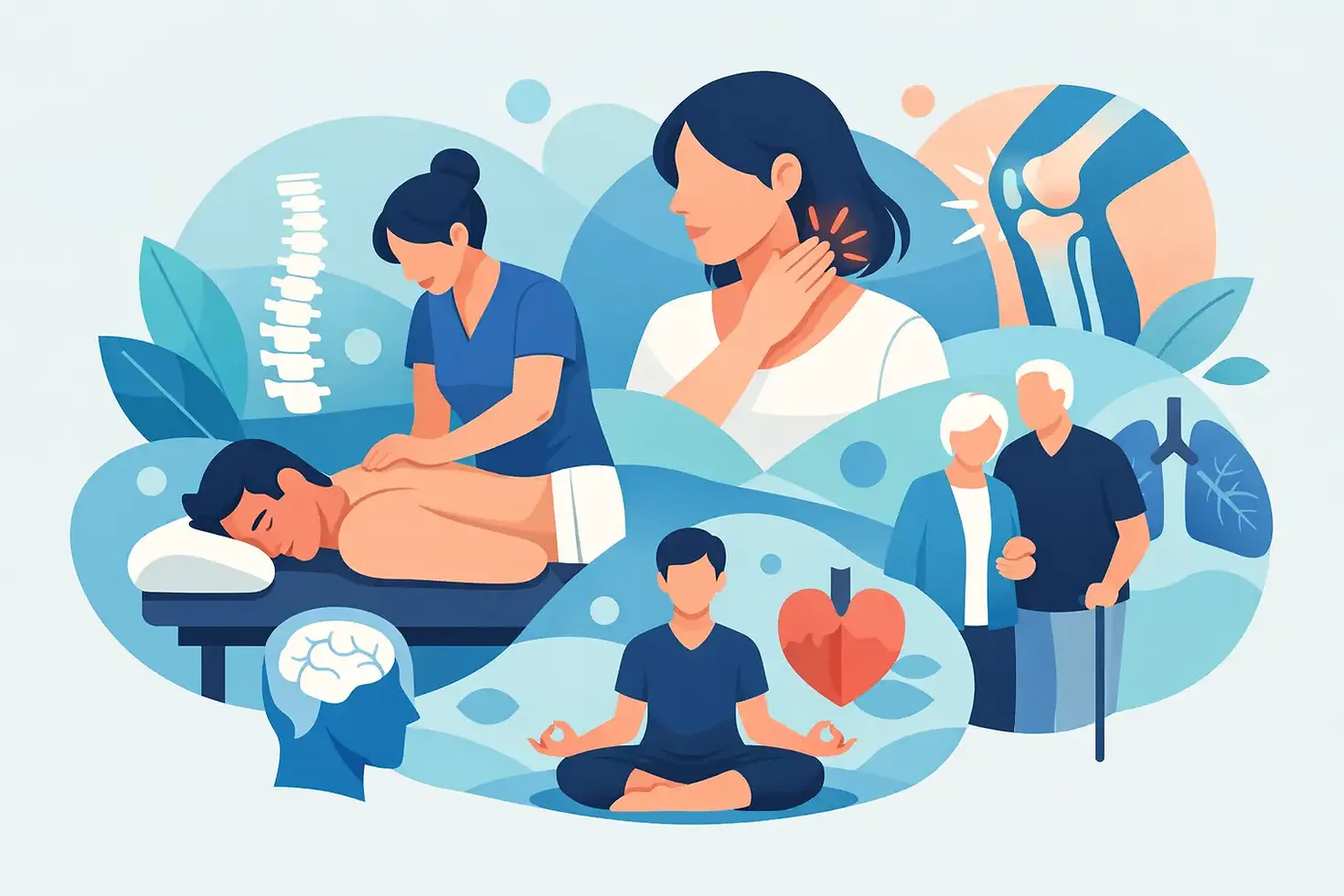
A stiff neck after long hours at a desk, low back pain that flares on your commute, or a shoulder that never quite settled after an old injury can all affect how you move through the day. If you have been wondering what does osteopathy help with, the short answer is that it is often used to support pain relief, improve mobility, reduce tension, and help the body recover from strain, overuse, or injury.
Osteopathy is a hands-on manual therapy that looks at how the body’s structure and function work together. Rather than focusing only on the site of pain, an osteopathic practitioner assesses movement patterns, joint mechanics, soft tissue tension, posture, and how one area may be compensating for another. For many adults in Vancouver balancing work, activity, commuting, and recovery, that whole-body approach is often what makes care feel more complete.
What does osteopathy help with in practice?
Osteopathy is commonly sought out for musculoskeletal concerns. That includes back pain, neck pain, shoulder restriction, hip discomfort, tension headaches related to posture, and general stiffness that builds up over time. It can also be helpful when symptoms do not seem to come from one single cause, such as recurring tension that returns after massage alone or movement limitations that affect exercise and daily tasks.
In clinical practice, osteopathy may help with acute problems and longer-standing issues. Someone might come in after lifting something awkwardly, after a minor sports injury, or after a period of increased stress and sitting. Another person may be dealing with chronic tightness, reduced range of motion, or an old injury that still changes how they walk, bend, or train.
The goal is not simply to chase symptoms. Treatment is usually aimed at improving how the joints, muscles, fascia, and surrounding tissues move together so the body is under less strain overall.
Common conditions osteopathy may support
Back and neck pain
This is one of the most common reasons people book osteopathic care. Low back pain can be related to joint restriction, muscle guarding, prolonged sitting, repetitive strain, or compensation from the hips and core. Neck pain often involves postural loading, stress-related tension, desk work, or previous injury.
Osteopathic treatment may include gentle joint mobilization, soft tissue techniques, and assessment of nearby areas that may be contributing to the problem. For example, a neck issue may involve the upper back, rib cage, or jaw. A low back complaint may also involve the pelvis, hips, or lower limb mechanics.
Shoulder, hip, and joint restriction
If a joint feels stiff, pinchy, or limited, osteopathy may help improve movement quality. This can matter whether you are reaching overhead, returning to the gym, getting back on a bike, or just trying to move without guarding.
That said, not every restricted joint responds the same way. If there is significant structural damage, advanced degeneration, or an active inflammatory condition, treatment may need to be modified and combined with other care.
Headaches linked to tension and posture
Some headaches are influenced by muscle tension, upper cervical restriction, jaw tension, and prolonged static posture. In those cases, osteopathy may help reduce contributing mechanical stress.
This is where assessment matters. Not all headaches are musculoskeletal, and red flags always need medical attention. A qualified practitioner should screen for that before beginning treatment.
Sports and overuse injuries
Runners, cyclists, gym-goers, and recreational athletes often develop patterns of overload rather than one clear injury event. Osteopathy may be useful when tissue tension, poor mechanics, or compensation are affecting performance and recovery.
For example, recurring calf tightness may not only be a calf issue. It could relate to ankle mobility, hip control, pelvic mechanics, or how force is being transferred through the body. A hands-on assessment can help identify those relationships.
Recovery after minor injury or motor vehicle accidents
After a collision, fall, or strain, people often notice pain, stiffness, guarded movement, and a general sense that the body is not moving normally. Osteopathy may be part of a broader recovery plan to help restore mobility, reduce protective tension, and support function.
The timeline matters here. In the early phase after injury, treatment may need to be gentle and carefully paced. In more complex cases, coordinated care with physiotherapy, massage therapy, and medical oversight may be the better route.
Postural strain and desk-related tension
Many working professionals spend hours sitting, driving, or using laptops and phones. The result is often not one dramatic injury, but cumulative strain across the neck, shoulders, mid-back, low back, and hips.
Osteopathy may help by addressing areas that have become stiff or overloaded and by improving how the body adapts to daily demands. The most effective care usually also includes practical advice around movement breaks, workstation habits, and home exercises.
How osteopathy works
Osteopathy uses manual techniques to assess and treat restrictions in the body. Depending on the practitioner and your presentation, treatment may involve joint articulation, mobilization, soft tissue release, myofascial techniques, stretching, and gentle positional work.
The style of treatment is not one-size-fits-all. Some patients need a lighter, more calming approach because pain is acute or the nervous system is highly sensitized. Others may benefit from more direct work to improve movement in a specific area. A good treatment plan accounts for your symptoms, health history, activity level, and tolerance.
This is also why two people with similar pain may receive different care. One person’s low back pain may be driven by hip stiffness and prolonged sitting. Another person may have a more load-related issue that needs exercise progressions and strengthening alongside hands-on work.
What osteopathy helps with beyond pain
Pain is usually the reason people seek care, but it is not the only measure of progress. Osteopathy may also help with ease of movement, posture tolerance, body awareness, and how comfortable everyday activities feel.
That can mean turning your head more easily while driving, walking with less guarding, getting through a workday with fewer flare-ups, or feeling more stable returning to exercise. These functional changes often matter just as much as pain scores because they affect work, sleep, mood, and consistency with healthy habits.
For patients who are active, the benefit may be better movement efficiency and fewer recurring tight spots. For people recovering from injury, it may be the ability to rebuild trust in movement.
When osteopathy is a good fit and when it depends
Osteopathy can be a strong option when your symptoms are mechanical in nature, meaning they change with movement, posture, load, or tissue tension. It can also be helpful when you want a hands-on assessment that looks at the body more broadly rather than focusing only on the most painful spot.
But it depends on the condition. Osteopathy is not a replacement for emergency care, diagnostic imaging when clinically indicated, or medical management of serious disease. If symptoms involve significant trauma, unexplained weight loss, progressive neurological changes, chest pain, fever, or bowel and bladder changes, those need urgent medical assessment.
It also helps to be realistic. Hands-on therapy can be very effective, but chronic issues usually improve best when treatment is combined with movement, strengthening, activity modification, and consistency over time.
What to expect from treatment
A first osteopathy appointment usually includes a health history, discussion of your symptoms, and a physical assessment of posture, movement, and tissue tension. Treatment is then tailored to what the practitioner finds and what your body can tolerate that day.
Many patients notice a sense of increased mobility or reduced tension after treatment, though some may feel temporary soreness. That is not unusual with manual care. The bigger question is whether movement begins to feel easier and whether symptoms settle more predictably over time.
In a multidisciplinary setting, osteopathy may also be paired with massage therapy, physiotherapy, or acupuncture depending on your goals. At Pro Wellness Massage Therapy, that coordinated approach can be especially useful for patients managing layered issues such as work strain, athletic overload, or recovery after an accident.
Is osteopathy right for you?
If your body feels stiff, unbalanced, or persistently sore, and especially if pain keeps returning despite rest, osteopathy may be worth considering. It is often most helpful for people who want more than temporary relief and need a treatment plan that looks at how the whole body is moving.
The right next step is not to guess whether your pain fits a textbook category. It is to have it assessed properly. When treatment is individualized, clearly explained, and integrated with the rest of your recovery plan, osteopathy can become a practical part of feeling stronger, moving better, and staying ahead of the issues that tend to build quietly over time.


Comments