
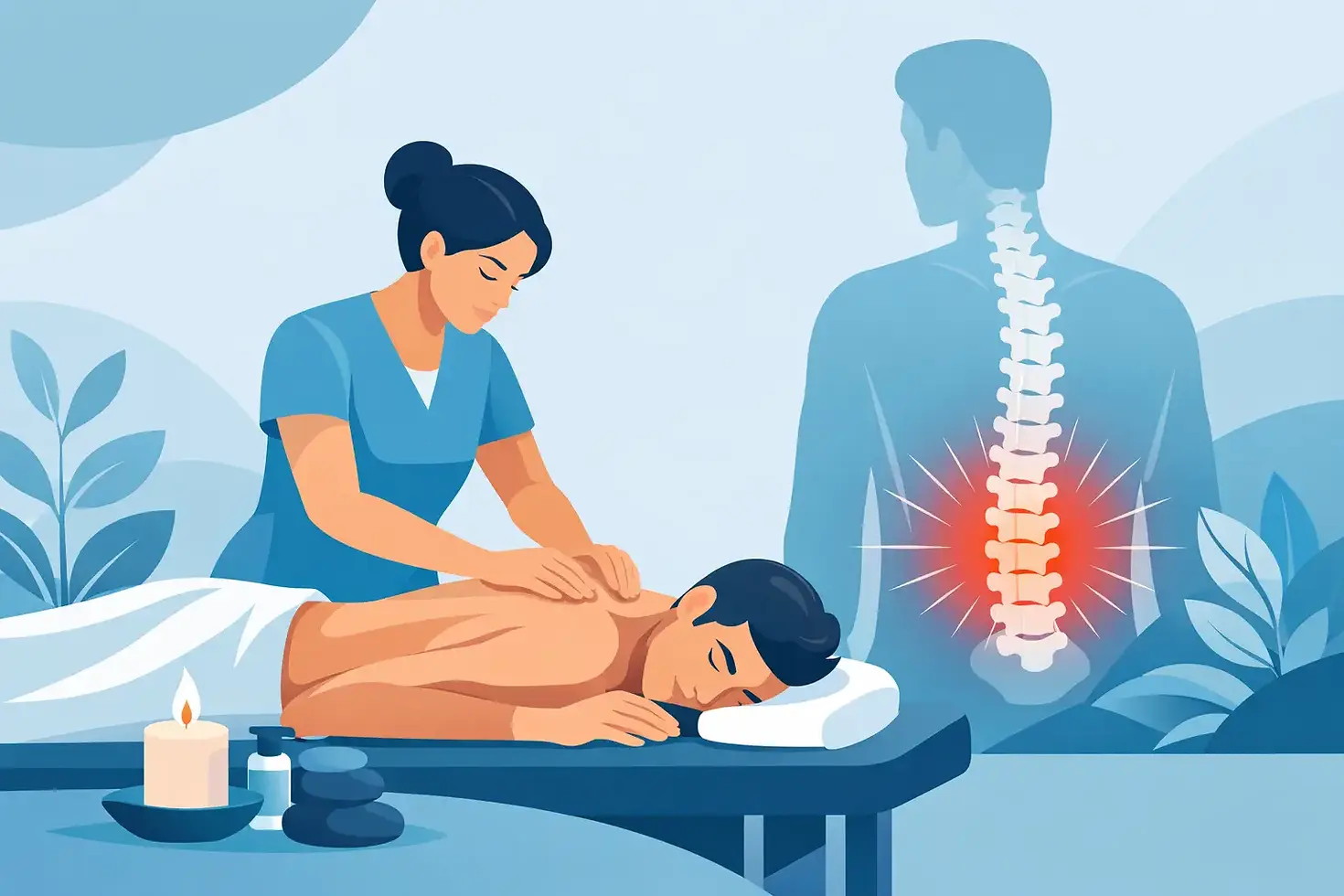
How Massage Therapy Helps Back Pain
Back pain rarely starts as a dramatic event. For many people in Vancouver, it builds quietly - long hours at a desk, heavy gym sessions, stressful commutes, poor sleep, or the lingering effects of an old injury that never fully settled. That is often where the question begins: how massage therapy helps back pain, and whether it can do more than provide temporary relief.
The short answer is yes, but not in the same way for every person. Massage therapy can reduce muscular tension, improve movement, calm an irritated nervous system, and support the body as it recovers from strain or injury. At the same time, the source of back pain matters. Tight muscles respond differently than a disc issue, postural overload, or pain after a motor vehicle accident. Good treatment is not one-size-fits-all.
How massage therapy helps back pain in real clinical terms
When people say their back hurts, they may be describing several different problems at once. One person feels a constant ache across the low back after sitting all day. Another gets sharp pain when bending. Someone else notices stiffness between the shoulder blades that spreads into the neck. These patterns matter because massage therapy works through specific physical effects, not vague relaxation alone.
One of the main benefits is reducing excess muscle tension. When muscles stay guarded for too long, they can create pressure, soreness, and restricted movement. A registered massage therapist assesses which tissues are overworking, which areas are compensating, and where movement may be limited. Releasing that tension can reduce discomfort and make everyday movements feel less effortful.
Massage therapy also improves circulation to soft tissues. Better blood flow supports tissue health and may help irritated or overused muscles recover more efficiently. This can be especially useful for people dealing with repetitive strain from work, exercise-related tightness, or persistent postural fatigue.
There is also a nervous system effect. Pain is not only about tissue damage. When the body has been under stress, recovering from injury, or protecting an area for weeks or months, the nervous system can become more sensitive. Skilled hands-on treatment may help downregulate that protective response. In practical terms, that can mean less guarding, easier breathing, and a back that no longer feels "on alert" all the time.
What massage can help - and what it cannot fix alone
Massage therapy is often effective for mechanical back pain, especially when symptoms are linked to muscle tension, joint stiffness, movement restriction, training load, stress, or prolonged sitting. It can be helpful for low back tightness, upper back tension, post-exercise soreness, and recovery after minor strains.
It can also play a strong supportive role in more complex cases. Someone recovering from an ICBC-related injury, for example, may benefit from massage as part of a larger rehabilitation plan. In those situations, treatment may help with soft tissue restriction, pain management, sleep quality, and tolerance for movement while other therapies address strength, stability, or more specific functional deficits.
What massage cannot do is correct every cause of back pain on its own. If symptoms are being driven by a significant disc injury, nerve compression, inflammatory condition, fracture, or serious underlying medical issue, massage may need to be modified or postponed. It can still be part of care in some cases, but only when guided appropriately.
That is why assessment matters. A qualified registered massage therapist does not simply start applying pressure to a painful area. They look at symptom history, aggravating factors, movement patterns, tissue quality, and signs that point toward referral or collaborative care.
Why the "right pressure" is not always deep pressure
Many people assume back pain improves fastest with intense treatment. Sometimes deeper work is appropriate. Sometimes it is exactly the wrong choice.
If tissues are highly inflamed, the nervous system is reactive, or the pain is acute, aggressive pressure can increase guarding rather than reduce it. On the other hand, chronic tightness in the thoracic spine, hips, glutes, or lower back may respond well to deeper myofascial or trigger point techniques when applied with good clinical judgment.
Effective massage is not about chasing pain with force. It is about choosing the right technique for the stage of healing, the person in front of you, and the likely source of dysfunction. That may include Swedish techniques for circulation and relaxation, myofascial work for restriction, trigger point therapy for referred pain, or more focused rehabilitative treatment around compensating muscles.
How back pain often relates to more than the back
A common reason massage therapy helps back pain is that the painful area is not always the only problem area. The lower back may be overworking because the hips are stiff. The upper back may ache because the chest and shoulders are tight from computer posture. The back may feel chronically strained because the glutes and core are not contributing well during movement.
This is where individualized care makes a difference. Treating only the place that hurts can bring short-term relief, but broader assessment often reveals why the strain keeps returning. A therapist may work through the lumbar paraspinals, quadratus lumborum, glutes, hip flexors, hamstrings, or thoracic tissues depending on the pattern they find.
For active adults, runners, cyclists, and gym-goers, that wider view is particularly important. Training hard with restricted mobility or poor recovery can create recurring back tension. For office workers and commuters, the issue may be prolonged positioning rather than sport. Different causes, different treatment choices.
What a treatment plan may look like
For recent back pain, care often focuses first on calming the area down. That might mean shorter, gentler sessions, reducing protective muscle guarding, and restoring comfortable movement. The goal is not to "fix" everything in one visit. It is to create enough change that normal movement becomes easier and symptoms start settling rather than escalating.
For persistent or recurring pain, treatment plans usually need more than symptom relief. A therapist may identify patterns that have built up over time and recommend a series of sessions rather than sporadic appointments. Progress may include less morning stiffness, better range of motion, fewer flare-ups, easier workouts, or improved tolerance for sitting and standing.
In a multidisciplinary setting, massage therapy can also complement physiotherapy, osteopathy, or acupuncture. That coordinated approach is useful when back pain involves both soft tissue overload and movement dysfunction. One practitioner may focus on releasing restriction while another works on strengthening, mobility retraining, or broader biomechanical issues. For many patients, that combination is more effective than relying on a single modality.
When you should be more cautious
Back pain deserves closer medical attention if it is severe and unexplained, follows significant trauma, causes progressive weakness, includes numbness that is worsening, or changes bowel or bladder function. Night pain, unexplained weight loss, fever, or a history that suggests something more systemic should also be assessed promptly.
Even without those red flags, there are times when massage should be adapted. Pregnancy, osteoporosis, acute disc irritation, recent surgery, or a fresh accident may change how treatment is delivered. Registered therapists are trained to work within those considerations and to refer out when needed.
Getting better results from massage therapy
Massage works best when it is part of a thoughtful plan. That may include simple home care such as movement breaks during the workday, hydration, modified training, stretching, or exercises recommended by a physiotherapist. The aim is to support the changes made in treatment so the body does not return immediately to the same overloaded pattern.
It also helps to be clear about your symptoms. Where is the pain? What movements trigger it? Is it constant or intermittent? Does it feel sharp, stiff, burning, or heavy? The more specific the picture, the more precisely treatment can be tailored.
At Pro Wellness Massage Therapy, this kind of individualized assessment is central to care. For patients balancing work demands, training goals, injury recovery, and busy schedules, that matters. Back pain is easier to manage when treatment is specific, practical, and coordinated around how you actually live.
Relief is important, but so is function. If your back pain has been limiting how you sit, move, sleep, work, or exercise, massage therapy may be a meaningful part of getting you back to normal - or closer to it than you have felt in a while. The most helpful next step is not guessing whether your pain is something you should just push through. It is getting it assessed properly and choosing care that matches the real cause.


Comments