

Is Registered Massage Therapy Worth It for Pain?
A stiff neck that returns every Monday, hip pain that makes a run feel different, or low-back tension after hours at a desk can make booking an appointment feel less like a luxury and more like a practical decision. But is registered massage therapy worth it when time, treatment costs, and insurance coverage all factor into the choice? For many people, the answer is yes - provided the care is matched to a clear goal and forms part of a realistic plan for recovery or maintenance.
Registered massage therapy is not a one-size-fits-all solution, and it cannot replace medical assessment when symptoms require it. Its value comes from skilled, hands-on care that addresses how your body is moving, loading, recovering, and responding to daily demands.
Is registered massage therapy worth it? It depends on the problem
Massage therapy tends to offer the greatest value when there is a specific concern to assess and monitor. That may be recurring shoulder tension, a training-related strain, headaches associated with neck and upper-back tightness, reduced mobility after an injury, or discomfort that builds during a long workday.
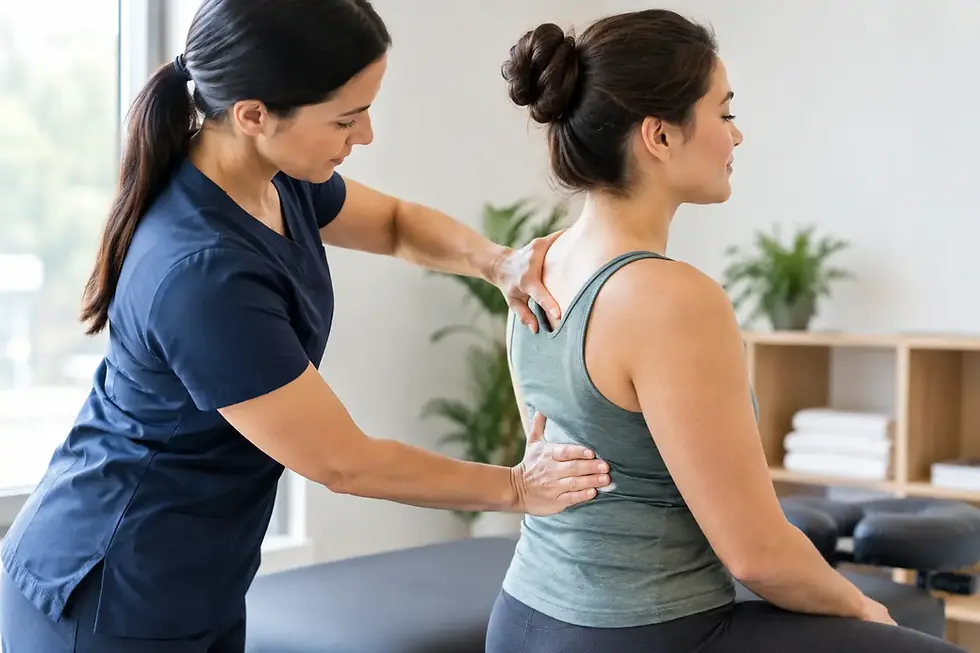
A Registered Massage Therapist in British Columbia is a regulated health professional. Treatment begins with a health history and assessment, not simply a standard massage routine. Your RMT may evaluate movement, muscle tone, tissue sensitivity, joint range of motion, posture, and the activities that aggravate or ease your symptoms. The treatment plan can then be adjusted as your body responds.
That clinical approach is what separates registered massage therapy from a general relaxation massage. Relaxation can certainly be a welcome outcome, especially when stress is contributing to physical tension. However, an RMT appointment is also designed to support functional goals: moving your neck more comfortably while driving, returning to the gym with better tolerance, or managing the demands of work without letting a minor ache become a larger limitation.
Where RMT care can provide meaningful value
For office-based professionals, massage therapy may help reduce the persistent discomfort that comes from long periods of sitting, computer use, commuting, and limited movement breaks. The goal is not to promise perfect posture or eliminate every tight muscle. It is to identify the areas being overloaded, improve comfort and mobility where possible, and provide practical guidance that fits a busy schedule.
Active people often find value in RMT care when training loads outpace recovery. A runner with calf tightness, a cyclist with hip discomfort, or a strength-training enthusiast with restricted shoulder movement may benefit from assessment and targeted manual therapy. The best plan will usually include more than hands-on treatment. It may also involve modifying activity temporarily, gradually rebuilding tolerance, and coordinating with physiotherapy when exercise rehabilitation is a primary need.
Massage therapy can also be useful during injury recovery, including after a motor vehicle accident, when it is appropriate and part of the care plan. Symptoms following a collision can be complex and may involve pain, guarding, reduced movement, disrupted sleep, and anxiety around activity. Regular reassessment matters here. A good treatment plan evolves with recovery rather than repeating the same session indefinitely.
For people living with ongoing tension or chronic pain, the benefit may be less about a single dramatic change and more about improving day-to-day capacity. Being able to sleep more comfortably, turn your head while checking a blind spot, walk farther, or get through a workweek with fewer flare-ups can be a meaningful outcome.
The value is in the plan, not just the appointment
A massage can feel good immediately, but short-term relief alone does not always mean the underlying issue has been addressed. To decide whether treatment is worthwhile, ask whether each visit is contributing to a plan you understand.
Your RMT should be able to discuss what they are treating, why a particular technique is being used, what changes to expect, and how progress will be measured. That does not mean every condition has a fixed timeline. Bodies recover differently, particularly where pain has been present for months, activity demands remain high, or sleep and stress are affecting recovery.
Still, care should have direction. After several visits, you and your practitioner should be able to review whether pain intensity, movement, function, or activity tolerance is improving. If progress has stalled, the appropriate next step may be a different approach, a referral, or collaboration with another practitioner rather than simply adding more massage sessions.
At Pro Wellness Massage Therapy, this coordinated approach can be particularly helpful for patients who need more than one form of care. Massage therapy, physiotherapy, osteopathy, and acupuncture may each have a different role depending on the presentation and treatment goals.
What about cost and insurance coverage?
The financial side is a valid part of the decision. Registered massage therapy is commonly included in extended health plans, although annual maximums, per-visit limits, practitioner requirements, and referral rules vary by policy. Direct billing can make payment simpler, but it does not guarantee that the full appointment cost will be covered. Checking your remaining coverage before starting a treatment series helps prevent surprises.
In British Columbia, MSP generally does not cover massage therapy for most residents. If you are seeking care after a motor vehicle accident, ICBC-related treatment may be available depending on your claim and eligibility. A clinic can help explain its billing process, but your insurer remains the final authority on coverage.
The practical question is not only, “Can I claim this?” It is also, “What would better function allow me to do?” If treatment helps you stay active, sleep better, reduce time away from work, or avoid repeatedly pushing through pain until it becomes more limiting, the investment may make sense. If the benefit is brief and no functional change follows, it is reasonable to revisit the plan.
What a worthwhile first RMT visit should feel like
A strong first appointment should feel individualized, not rushed or generic. You should have the opportunity to explain your symptoms, health history, activity level, previous injuries, and what you hope to get back to doing. Your therapist should also screen for factors that may change or limit treatment, including new symptoms, medication considerations, recent surgery, or conditions requiring medical follow-up.
During treatment, communication matters. Pressure is not a measure of quality. Deeper techniques may be appropriate for some concerns, but more force is not automatically more effective. Your RMT should work within your comfort level and explain how the treatment relates to your goals.
Before you leave, you should have a sense of what to do next. That might be a simple movement exercise, advice on pacing an activity, a temporary training adjustment, or a recommendation for follow-up. The advice should be realistic enough to use between appointments, not a lengthy routine that disappears under the pressure of daily life.
When massage therapy may not be enough
Registered massage therapy is valuable, but it has limits. New, severe, worsening, or unexplained symptoms deserve timely medical attention. Seek urgent care for concerns such as chest pain, sudden weakness or numbness, loss of bladder or bowel control, significant trauma, fever with severe pain, or a sudden severe headache unlike your usual pattern.
For less urgent but persistent concerns, massage therapy may still be helpful as one component of care. Pain that does not improve, repeated injuries, substantial loss of strength, or symptoms that interfere with work or sport may call for physiotherapy, diagnostic assessment, or input from another regulated practitioner. Coordinated care is often more useful than expecting one treatment type to solve every problem.
A better question to ask before booking
Rather than asking whether massage therapy is worth it in general, ask what you want it to help you do. Perhaps you want to return to climbing without elbow pain, work through a full day without a headache, recover confidence after a collision, or keep manageable tension from becoming a recurring injury.
When you choose an RMT who assesses carefully, explains the treatment plan, and adapts care to your progress, massage therapy can be a practical part of protecting your mobility and comfort. The right appointment should leave you with more than temporary relief - it should give you a clearer path back to the activities that matter to you.


Comments