

Can Massage Help Tension Headaches? What to Know
A headache that starts at the base of the skull after a long day at a laptop can feel very different from a migraine, even if the pain eventually spreads across the forehead. If you are asking, “can massage help tension headaches,” the answer is often yes, particularly when tight neck, shoulder, jaw, or upper-back muscles are contributing to the problem. Massage is not a cure for every headache, but it can be a useful part of a treatment plan for many people with tension-type headache patterns.
What a tension headache can feel like
Tension-type headaches are commonly described as a steady pressure, tight band, or dull ache around both sides of the head. The discomfort may begin in the neck or shoulders and move upward, often becoming more noticeable late in the day. Unlike migraines, tension headaches are less likely to cause nausea, light sensitivity, or pain that worsens significantly with normal activity. However, headache symptoms can overlap, so self-diagnosis has limits.
For Vancouver professionals, commuters, students, and active adults, the triggers are often familiar: sustained screen time, a poorly supported workstation, clenching the jaw during stressful periods, reduced sleep, dehydration, or a sudden increase in training. These factors do not simply create stress in the abstract. They can increase muscle tone and sensitivity through the neck, upper trapezius, chest, scalp, and jaw.
A registered massage therapist assesses the whole pattern rather than treating the sorest spot in isolation. That includes how your neck moves, where you feel tenderness, whether you are holding your shoulders elevated, and whether a recent injury, training change, or work setup may be contributing.
Can massage help tension headaches by treating muscle tension?
Massage may help reduce the muscular component of tension headaches. Hands-on treatment can decrease tenderness in overworked tissues, improve comfort with neck and shoulder movement, and give the nervous system a period of reduced threat and guarding. For some people, this means fewer headache days. For others, it may mean that headaches are less intense or easier to settle with their usual self-care.
The most relevant areas are not always the temples. Trigger points and sensitivity in the upper trapezius, levator scapulae, suboccipital muscles at the base of the skull, and muscles around the shoulder blade can refer discomfort into the head. Jaw tension may also matter, especially for people who clench or grind their teeth. A therapist may use measured pressure, myofascial techniques, movement-based treatment, and gentle work to the neck and upper back based on what your assessment supports.
Pressure should not be treated as a test of effectiveness. Aggressive work on an already irritated neck can leave some people sore or provoke a headache. The best treatment is usually specific, tolerable, and adjusted to your response during and after the appointment.
Relief is more likely when the pattern is mechanical
Massage tends to be most helpful when headaches are linked with muscle tightness, postural loading, restricted neck movement, stress-related clenching, or repetitive work demands. You may notice that your headache develops after several hours at a desk, after driving, or when your shoulders feel heavy and your neck is stiff. Those details give useful clues.
It may be less effective as a stand-alone option if headaches are primarily driven by migraine, medication overuse, untreated sleep problems, sinus disease, significant anxiety, or another medical condition. That does not mean massage has no role, but the plan may need other clinical support. A good practitioner will be clear about those limits.
What happens in a massage therapy appointment for headaches
Your first appointment should begin with a health history and discussion of your symptoms. Expect questions about when the headaches began, where the pain is located, how long it lasts, what makes it better or worse, previous injuries, medications, sleep, stress, and any associated symptoms. This process helps determine whether massage therapy is appropriate and whether referral is needed.
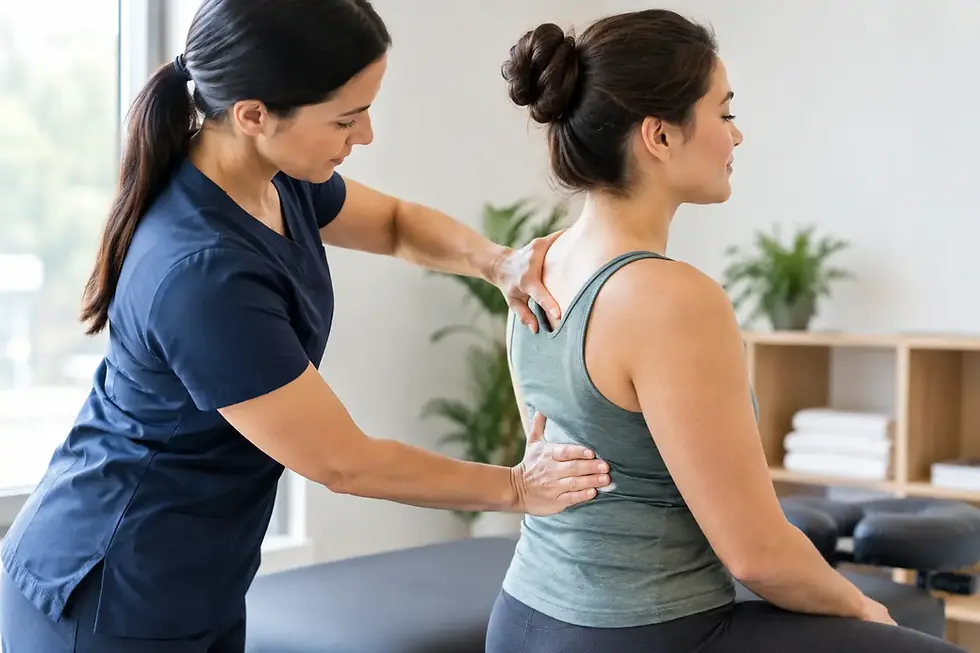
The physical assessment may include observing posture, checking neck and shoulder range of motion, and palpating areas of muscle tenderness. Your registered massage therapist will then develop a treatment approach that reflects your goals. If headaches are occurring weekly, for example, the goal may be to reduce the frequency while improving your ability to manage early symptoms at home.
Treatment may include work to the upper back, shoulders, neck, and scalp, as well as areas that influence upper-body posture such as the chest and shoulder girdle. If jaw involvement is suspected, your therapist may discuss external jaw and facial muscle treatment within your comfort level and scope of care. You remain in control throughout treatment, and feedback about pressure, symptoms, and positioning is encouraged.
At Pro Wellness Massage Therapy, an RMT may also identify when physiotherapy, acupuncture, osteopathy, or medical assessment could complement massage care. This multidisciplinary approach can be especially useful when recurring headaches are paired with persistent neck pain, dizziness, a previous motor vehicle accident, or limited mobility.
Massage works better alongside daily changes
A single massage can provide welcome relief, but lasting progress usually depends on reducing the factors that repeatedly load the same tissues. This does not require a perfect ergonomic setup or an elaborate routine. Small, consistent changes are often more useful than occasional major efforts.
If screen work brings on headaches, experiment with short movement breaks before discomfort builds. Changing position, walking briefly, rolling the shoulders, and gently moving the neck through a comfortable range can interrupt prolonged muscle holding. Your therapist may also suggest specific mobility or strengthening exercises if weakness or poor endurance is contributing.
Hydration, regular meals, adequate sleep, and a realistic approach to stress also matter. Tension headaches are not “all in your head,” but stress can change breathing patterns, jaw position, and muscle tone. For people who clench, a dental assessment may be appropriate, particularly if there is tooth wear, jaw pain, or morning headaches.
Keep a simple record for two or three weeks if your headaches are recurring. Note the time of day, location, intensity, recent activity, sleep, meals, stress level, and what helped. This can reveal patterns that are otherwise easy to miss and gives your practitioner more useful information than a general description of “frequent headaches.”
When a headache needs medical attention instead
Massage therapy is not appropriate for every headache. Seek urgent medical care for a sudden, severe headache that reaches maximum intensity quickly, especially if it is unlike your usual symptoms. New headache pain after a head injury, or headache with fainting, confusion, weakness, numbness, trouble speaking, vision changes, fever, stiff neck, seizure, chest pain, or persistent vomiting also requires prompt assessment.
You should arrange medical evaluation for a new or changing headache pattern, headaches that are becoming progressively more frequent or severe, headaches that wake you from sleep, or a new headache during pregnancy or after age 50. People with cancer, immune suppression, uncontrolled high blood pressure, or significant neurological history should discuss new headaches with an appropriate medical professional.
A registered massage therapist will screen for these concerns. Referral is not a failure of treatment. It is a responsible part of clinical care and helps ensure that muscle-focused therapy is used when it is safe and suitable.
How often should you book massage for tension headaches?
There is no universal schedule. Someone in an acute flare may benefit from a short series of appointments while they also address workstation habits, sleep, and movement. Another person with occasional stress-related headaches may only need treatment when symptoms begin to return. The right frequency depends on headache severity, how long the issue has been present, your response to treatment, and whether there are contributing injuries or mobility restrictions.
After treatment, mild tenderness can occur, particularly if muscles were sensitive before the appointment. Drink water according to your normal needs, avoid treating the session like a reason to push through an intense workout, and pay attention to how you feel over the next 24 to 48 hours. That response helps guide future care.
When headaches have become part of your normal week, they deserve more than temporary endurance. A thoughtful assessment can clarify whether massage therapy fits your pattern and help you build a practical plan for more comfortable workdays, training sessions, and evenings.


Comments