
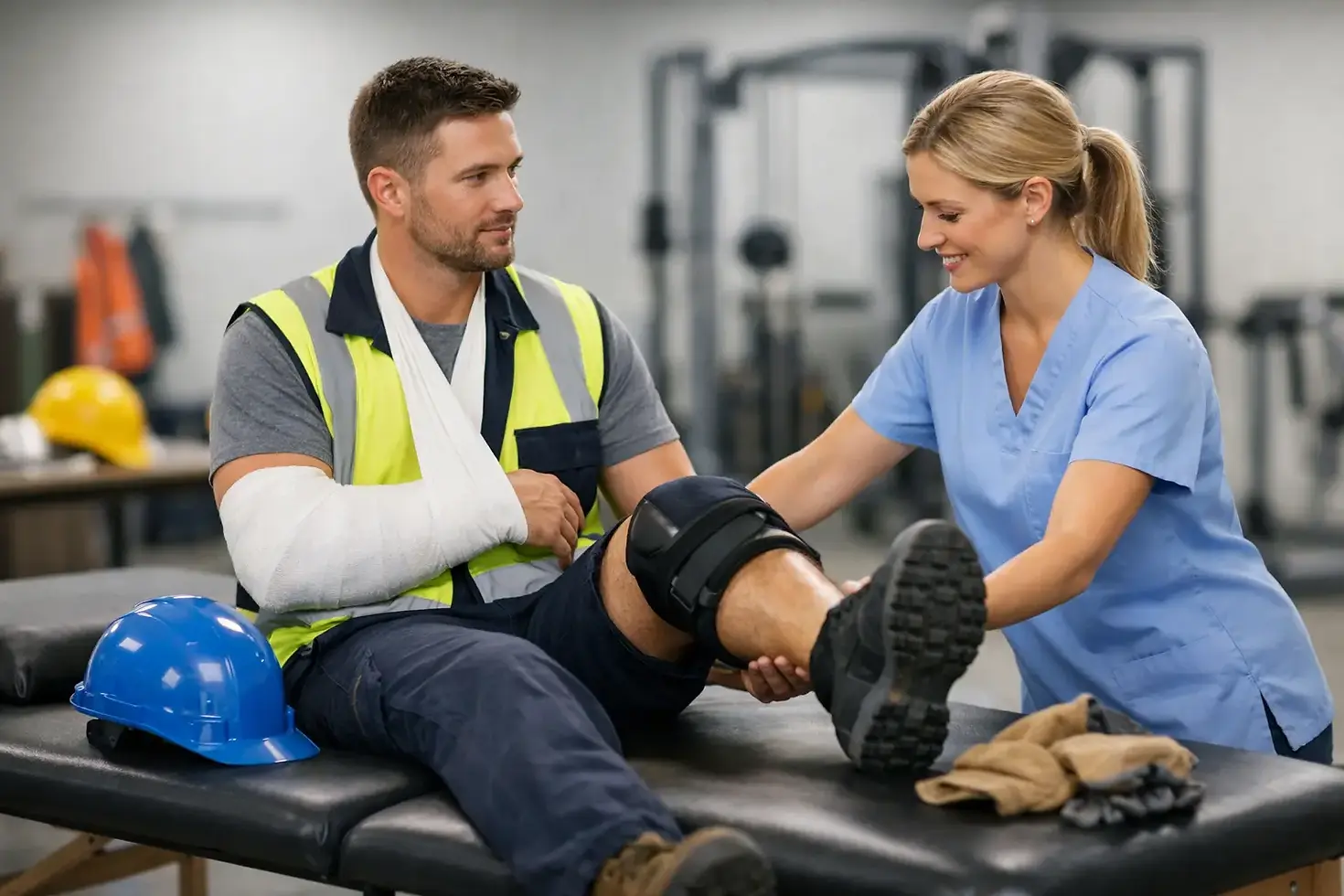
A Guide to Workplace Injury Rehabilitation
A shoulder that aches after a long shift, low-back pain that worsens with lifting, or a wrist that becomes numb at a keyboard can seem manageable at first. Yet when work-related symptoms are ignored, the body often compensates in ways that make recovery longer and more difficult. This guide to workplace injury rehabilitation explains how a structured, individualized approach can help you reduce pain, restore movement and return to work with greater confidence.
Workplace injuries are not limited to sudden accidents. Repetitive movements, prolonged sitting or standing, poor workstation setup, physically demanding duties and cumulative fatigue can all contribute to tissue irritation, joint restrictions and reduced function. The right rehabilitation plan depends on the injury, your job demands and how your symptoms respond over time.
Start With a Clear Assessment
The first goal is to understand what is driving your symptoms rather than treating pain in isolation. A regulated healthcare practitioner will ask how the injury occurred, what movements aggravate it, how it affects your sleep and daily activities, and what your workday actually involves. For someone in construction, that may mean carrying, climbing and working overhead. For an office professional, it may mean hours of computer use, meetings and commuting.
A physical assessment may include observing posture and movement, checking joint range of motion, testing strength and identifying areas of muscle guarding or tenderness. This process helps distinguish between a straightforward strain and a problem that may require additional medical investigation.
Not every painful injury needs the same treatment. A recent ankle sprain may initially need protection and gradual loading, while persistent neck tension associated with desk work may respond best to mobility work, ergonomic changes and progressive strengthening. If there are red flags such as significant swelling, loss of sensation, worsening weakness, fever, unexplained pain or an inability to bear weight, prompt medical assessment is needed.
Guide to Workplace Injury Rehabilitation: The Early Phase
In the first days or weeks after an injury, the priority is usually to calm symptoms without becoming completely inactive. Rest can be useful when movement sharply increases pain, but extended avoidance can lead to stiffness, weakness and reduced confidence in the injured area. The practical aim is relative rest: temporarily reducing aggravating tasks while maintaining safe, comfortable movement.
Treatment may include physiotherapy to improve mobility and guide exercise, registered massage therapy to address muscle tension and soft-tissue discomfort, or osteopathic care where appropriate to assess how surrounding joints and tissues are contributing to the problem. Acupuncture may also be considered for certain pain presentations as part of an individualized plan. The best combination depends on your assessment findings, preferences and response to care.
Early rehabilitation is not about forcing a rapid return to normal. It is about creating enough symptom relief and movement capacity to begin rebuilding function. A therapist may recommend simple movements for the neck, shoulder, back, wrist, hip or ankle, with clear guidance on how much discomfort is acceptable. Mild, temporary soreness can be normal with rehabilitation. Sharp pain, escalating symptoms or pain that lingers well after exercise usually means the activity needs to be adjusted.
Rebuild Strength for the Work You Actually Do
Pain reduction matters, but it is only one part of recovery. A worker needs enough strength, endurance, coordination and mobility to meet the demands of their role safely. This is why a rehabilitation plan should progress beyond passive treatment alone.
For example, a person recovering from low-back strain may begin with controlled trunk and hip movements, then progress to lifting mechanics, carrying tolerance and tasks that reflect their usual job duties. Someone with shoulder pain may need to restore range of motion before building rotator cuff and upper-back strength for reaching or overhead work. With repetitive strain injuries, the focus may include hand and forearm capacity, shoulder positioning and planned movement breaks.
Progression should be measured, not guessed. Your practitioner may track changes in pain, range of motion, strength or task tolerance from visit to visit. Some weeks move quickly; others require a slower approach. Sleep disruption, stress, a physically demanding work schedule and previous injury can all affect recovery. A plan that respects these factors is often more sustainable than an aggressive program that is difficult to maintain.
Treatment Works Best When It Has a Purpose
Hands-on care can be valuable for easing pain, improving short-term movement and helping you participate more comfortably in exercise. However, the lasting benefit comes from pairing treatment with active rehabilitation and practical changes at work.
This may include adjusting the height of a chair or monitor, changing the position of frequently used tools, alternating repetitive tasks or using a safer lifting strategy. In some cases, temporary modified duties are appropriate while capacity improves. These adjustments are not signs of failure. They are a way to keep you engaged in work while reducing the risk of repeated flare-ups.
Plan a Graduated Return to Work
Returning to work after an injury is rarely an all-or-nothing decision. A gradual return can allow you to rebuild tolerance while monitoring how the body responds to real work demands. The appropriate timeline varies widely. A mild strain may improve within weeks, while persistent pain, a more significant injury or a role involving heavy physical demands may require a longer plan.
A useful return-to-work plan identifies which tasks are currently limited and what can be modified. That could mean reduced lifting, fewer overhead tasks, shorter shifts, more frequent position changes or a temporary limit on repetitive work. Clear communication between the worker, healthcare team and employer can help ensure restrictions are practical and understood.
Pay attention to the 24-hour response. If symptoms settle after a shift and do not steadily worsen, the current workload may be appropriate. If pain, stiffness or fatigue consistently spikes and remains elevated into the next day, the workload or rehabilitation progression may need to change. This is more informative than judging recovery only by how you feel during the task itself.
For people managing a work-related claim, keep records of symptoms, appointments, recommended restrictions and changes in function. Your treating practitioner can provide clinical information within their scope of practice, while your employer and claim provider can clarify workplace and claim requirements.
Prevent the Next Flare-Up
Rehabilitation should leave you with a plan you can use after formal treatment ends. That may involve a short strength routine two or three times weekly, regular movement breaks during desk work, warm-up strategies before physically demanding shifts or ongoing care when a chronic condition benefits from monitoring.
Prevention is not about achieving perfect posture or never feeling sore. Bodies tolerate a range of positions and activities. The greater concern is staying in one position too long, repeatedly exceeding your current capacity or returning to demanding tasks before strength and endurance have recovered. Small, consistent adjustments generally matter more than a single major change.
For Vancouver workers balancing busy schedules, commuting and active lives, convenient access to coordinated care can make follow-through easier. At Pro Wellness Massage Therapy, registered practitioners can help build a treatment plan that reflects both your injury and the functional demands waiting for you at work.
Recovery becomes more manageable when each step has a clear purpose: reduce irritation, restore movement, rebuild capacity and return to meaningful activity at a pace your body can sustain.


Comments